You Don’t Need a Forest: Everyday Nature Learning for Toddlers
Nature learning doesn’t have to mean long hikes, perfect outdoor spaces, or planned activities. For toddlers, the real world is already full of texture, sound, movement, weather, and discovery — often just outside the door.
You scroll for two minutes and see it again: muddy boots lined up outside a canvas tent, a woven basket of pinecones, small hands holding a magnifying glass under trees so tall they disappear at the top of the photo. Forest school. Everyone else’s toddler, apparently, spends their mornings in a sunlit grove.
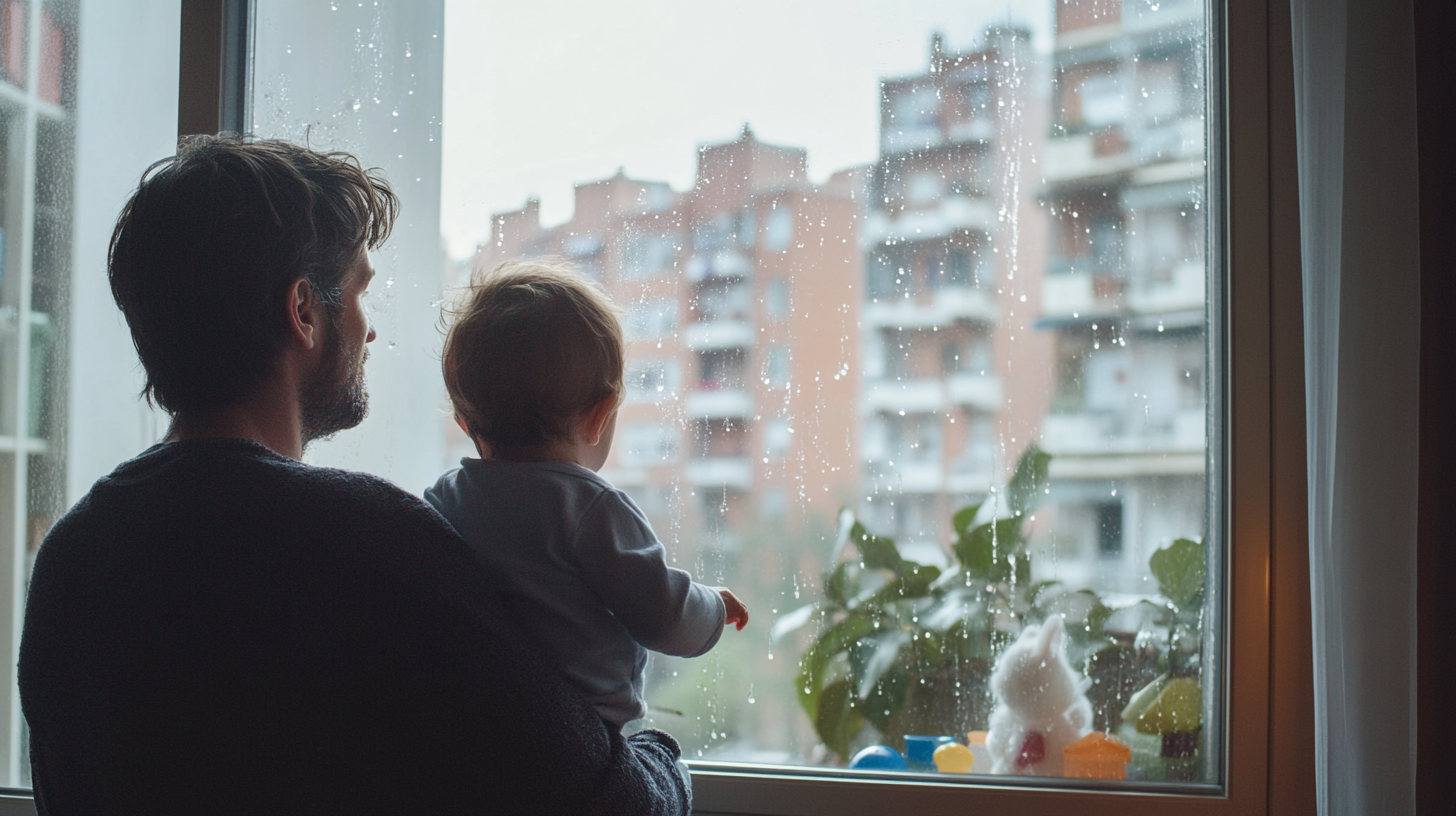
Then you look up from your phone. There’s the apartment hallway with its dim motion-sensor light. The balcony with one plant you’re not sure is still alive. The sidewalk you’ll walk in eleven minutes to get to preschool, a stroller wheel catching on the same crack it always does. Rain on the window, if you’re lucky today. Ten minutes before dinner, if you’re not.
It is easy, in that gap between the photo and your real life, to feel like you’re already behind on something you didn’t even know you’d signed up for.
So let’s put that down for a moment. You don’t need a forest. You need one real thing, one small pause, and a toddler who is allowed to notice.
Why Nature Learning Feels Bigger Than It Needs To
Somewhere along the way, “nature” started meaning a destination. A place you drive to. A day you plan for, with the right shoes, the right basket, the right amount of time carved out of a schedule that already has no room in it. Forest school photos didn’t invent this pressure, but they crystallized it — a whole aesthetic of what childhood in nature is supposed to look like, and most real families measuring their ordinary Tuesday against it.
Underneath that pressure is a quieter, truer idea, and it’s the one this article is built on: for a toddler, nature is not a destination. It is any living, changing part of the real world they can notice.
A toddler doesn’t know the difference between a curated forest morning and a puddle outside the building. They only know what’s in front of them right now — whether it moves, whether it changes, whether someone bigger seems interested in it too. That is the entire bar for everyday nature learning for toddlers. Not acreage. Not equipment. Attention.
Once you let go of the idea that nature learning requires a trip, what’s left is much smaller and much more doable: a leaf, a shadow, a sound, a pause long enough to look.
What Counts As Nature For a Toddler?
Toddlers don’t need a nature aesthetic. They need something real, something changing, something they can get close to. Almost everything on this list already exists somewhere in or near your home.
- A puddle after rain
- Sunlight moving across the floor
- Ants near a wall or doorway
- Wind moving a curtain
- A leaf on the sidewalk
- Fruit seeds after snack
- Herbs in a small pot
- Clouds seen from a window
- Birds calling in the morning
- Water dripping from a tap or gutter
- Soil in a planter
- A snail after rain
- Shadows cast by trees or railings
- Pebbles near a path
- Flowers growing near a street
None of these need to be arranged, purchased, or made beautiful before they count. A toddler doesn’t need a tray with a linen cloth under a pinecone to be doing nature learning — they need the actual pinecone, or the actual leaf, or the actual ant, and someone who lets them stay with it a little longer than feels necessary.
What Toddlers Actually Learn From Everyday Nature
Not facts. Not vocabulary drills. Something slower and more foundational is happening underneath.
Observation
A toddler crouched over a puddle isn’t doing nothing. They’re building the habit of looking closely — noticing that the water is still, then moves when touched. “The leaf is wet.” That single observation is the beginning of paying attention to a changing world, which is a skill long before it’s a fact.
Language
Real objects give language something to attach to. “The ant is carrying something” means more to a toddler than any flashcard, because it’s describing what their own eyes just saw. This is one of the quiet ways toddler language development actually happens — through narrated real moments, not isolated vocabulary lists.
Sensory Integration
Rough bark. Cool puddle water. Dry soil crumbling between fingers. A toddler’s nervous system is still learning what texture, temperature, and weight feel like, and nature offers more sensory range in five minutes than most toys offer in a week.
Early Science
“The shadow moved” is a toddler’s first brush with cause and effect — the sun shifted, so the shadow shifted. No vocabulary about the earth’s rotation is needed. The noticing comes first; the explanation can come years later.
Attention
Staying with one ant trail for four minutes builds a longer attention span than most structured activities, because the toddler is following their own curiosity rather than a parent’s agenda.
Emotional Regulation
Watching rain from inside, listening instead of reacting, is a quiet co-regulation moment. The pace of nature is slower than a toddler’s usual pace, and matching it — even for a minute — is a small nervous-system reset for both of you.
Independence
Choosing which pebble to pick up. Deciding to touch the soil or not. These are tiny, low-stakes decisions that build a toddler’s sense that they can act on the world themselves.
Care and Responsibility
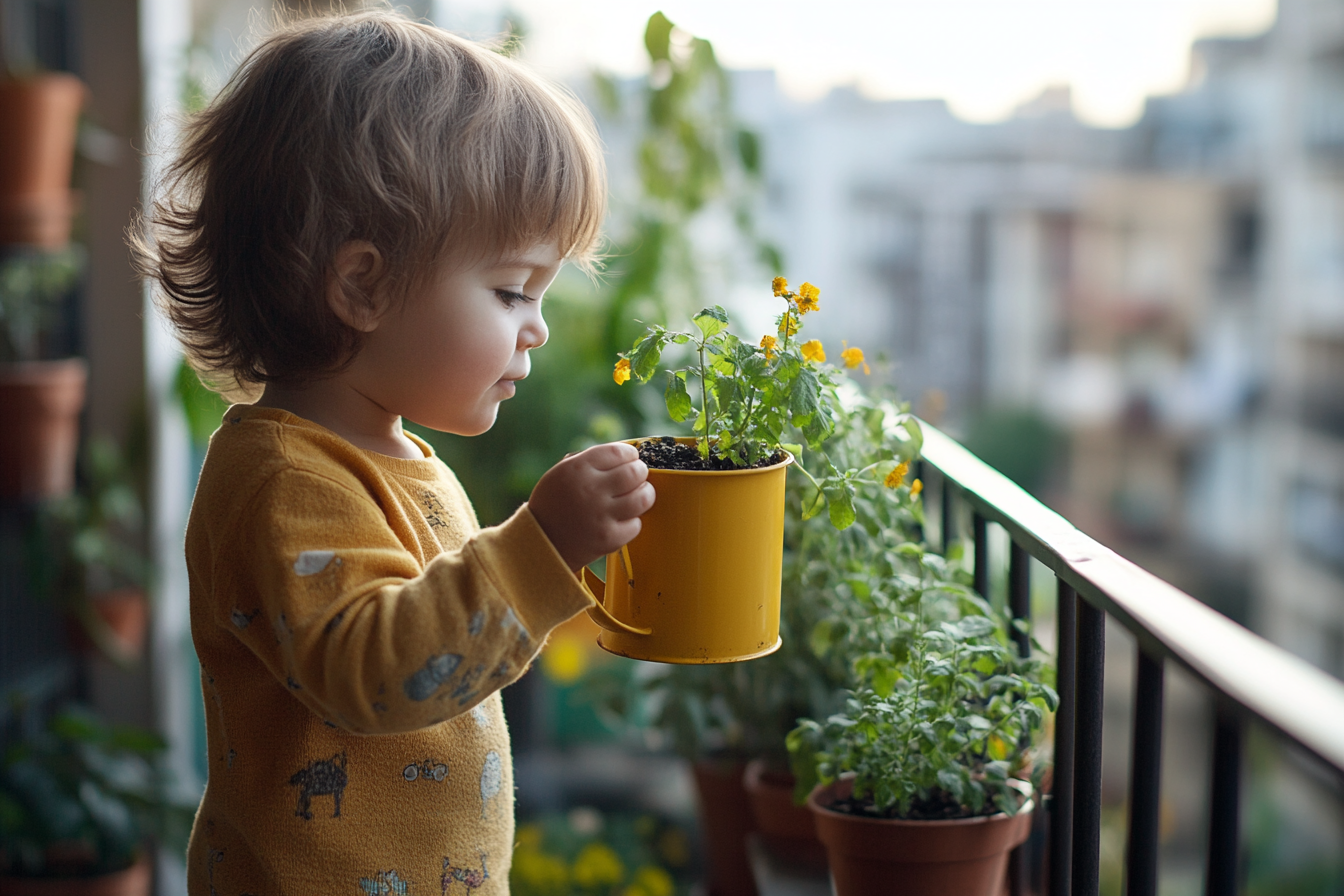
“The soil feels dry” followed by “let’s give the plant a little water” is a toddler’s first experience of noticing a need and responding to it — the earliest root of responsibility, long before chores exist.
You don’t need to name all eight of these out loud. They’re already happening underneath a simple sentence like “the wind moved the curtain.” Your job is the noticing, not the labeling.

12 Everyday Nature Learning Moments You Already Have
These aren’t activities to plan. They’re moments already built into your day — you only need to slow down inside them for thirty seconds longer than usual.
Your toddler notices light shifting on the wall, or rain streaking the glass.
You can say: “Look, the light moved.”
It matters because it teaches that the world changes even when you’re standing still.
Your toddler touches the leaves or wants to hold the watering can.
You can say: “The plant needs a little water, not too much.”
It matters because caring for something small builds early responsibility.
A single leaf stops your toddler mid-walk, mid-stride, mid-everything.
You can say: “It has little lines all over it.”
It matters because it teaches that small, ordinary things are worth stopping for.
Your toddler sees their reflection or wants to step in it.
You can say: “Look, I can see you in there.”
It matters because it’s an early, playful lesson in reflection and stillness.
A curtain lifts, a tree branch sways, hair blows across your toddler’s face.
You can say: “I wonder what moved it.”
It matters because wind is invisible, and noticing its effects builds early reasoning.
After snack, a seed sits on the table — from an apple, a melon, an orange.
You can say: “This is where the fruit started.”
It matters because it connects food back to something living, not just a package.
A small pot of basil or mint sits on the counter, close enough to touch.
You can say: “Smell this one. Now smell this one.”
It matters because scent is one of the most direct sensory doorways for toddlers.
Rain starts, and your toddler pauses to listen, even from inside.
You can say: “Let’s just listen for a minute.”
It matters because it’s a rare, easy invitation to shared stillness.
A line of ants moves along a wall or crack in the pavement.
You can say: “They’re all going the same way.”
It matters because it’s a toddler’s first encounter with pattern and purpose in nature.
Your toddler notices their own shadow, or one cast by a railing or tree.
You can say: “It moves when you move.”
It matters because it’s an early, playful lesson in cause and effect.
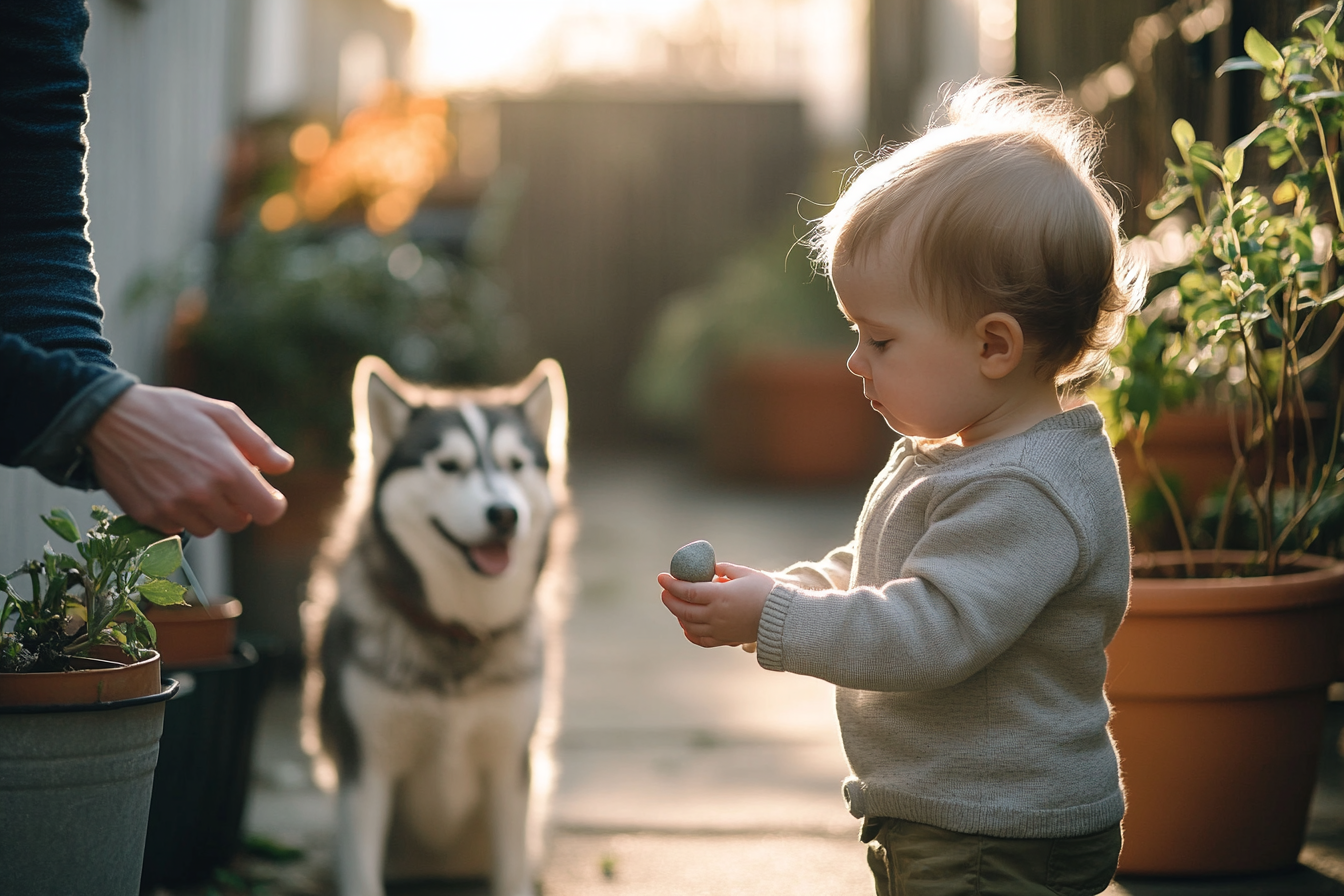
A pebble gets picked up, turned over, carried for two blocks, then forgotten.
You can say: “That one is heavier than it looks.”
It matters because it builds comparison, weight, and texture vocabulary.
The air smells different, the ground is darker, a snail might appear.
You can say: “Everything looks different after rain, doesn’t it.”
It matters because change itself becomes something worth noticing, not just objects.
The Everyday Nature Learning Spotter
A simple observation guide for toddlers — no forest, backyard, or prep needed.
Want a simple way to notice more nature without planning activities? I made a free Everyday Nature Learning Spotter you can keep on your fridge or near the door.
No forest required. Just one real thing and a few minutes.
Montessori Nature Learning Without a Montessori Shelf
It’s easy to think Montessori-inspired nature learning means beautiful open shelves, matching wooden trays, and baskets sorted by category. Some of that can be lovely. None of it is required.
What Montessori nature learning is actually built on is observation, independence, real objects, care, slowness, and respect for the child’s own pace. A shelf can hold those things. So can a sidewalk. Instead of preparing a tray, prepare your attention.
| Instead of… | Try… |
|---|---|
| Planning a full nature activity | Notice one real thing today |
| Teaching facts immediately | Describe what the child sees |
| Collecting many objects | Stay with one object longer |
| Asking quiz questions | Wonder out loud |
| Making it educational | Let it be relational first |
This is also what makes nature the original Montessori classroom — not the aesthetic, but the access to something real, changing, and unhurried. A toddler on a sidewalk with one leaf and a patient adult is doing the same fundamental work as a toddler on a forest trail.

What To Say During Everyday Nature Learning
You don’t need a script. But a few phrase families can help you meet these moments without turning them into a lesson.
Noticing Phrases
- You noticed something tiny.
- That changed.
- Let’s look closer.
- I see what you’re pointing at.
Sensory Phrases
- It feels rough.
- It’s cool on your hand.
- This one is dry. This one is damp.
Wondering Phrases
- I wonder where it came from.
- I wonder what will happen after the rain.
- Maybe the wind moved it.
- Let’s check again tomorrow.
Care Phrases
- Gentle hands.
- We can look without touching.
- Let’s leave it for the ants.
- The plant needs a little water, not too much.
Comparison Phrases
- This one is bigger.
- They are the same color.
- This one has a long stem.
- That stone is heavier.
What Not To Do
None of this needs to be perfect, and a few gentle guardrails can keep it feeling relational instead of like homework.
Indoor Nature Learning Counts Too
If you live in an apartment, if the weather isn’t cooperating, if you’re simply too tired to go outside today — none of that puts you behind. Indoor nature is still nature when the child is meeting something real.
- Grow green onions or herbs in a jar of water
- Sort fruit seeds after snack
- Watch a piece of ice melt on a plate
- Watch sunlight move across the floor over an hour
- Listen to rain from inside, together, quietly
- Wipe the dust off a plant’s leaves
- Water one pot, just one
- Compare dry rice, beans, lentils, and seeds by touch
- Press a leaf under a heavy book or stack of paper
- Keep a tiny “today’s nature find” bowl by the door
These aren’t consolation prizes for families without outdoor space. They’re full, legitimate versions of the same learning — observation, sensory contact, care, slowness — that a forest walk offers.

Tiny Nature Rituals For Busy Families
A ritual is smaller and steadier than an activity. It doesn’t need planning — it needs repetition. These are built for the family that is tired more often than not.
None of these require more than a few minutes, and none of them will fail if you skip a day. That’s the point of a ritual — it can survive real life.

When You Have No Backyard
If you’re reading this from an apartment, a rented flat, a building with no green space at all — this section is for you specifically.
- A balcony
- A window
- Your building’s entrance or lobby plants
- The sidewalk
- The walk to preschool
- A parking lot edge with plants (with clear safety boundaries)
- Flowers and fruit at a local market
- An outdoor café table
- Trees near a bus stop
- A small courtyard
- A community garden
- A park bench
- Rain on glass
- Plants in pots, anywhere you keep them
- Kitchen scraps and seeds
You are not behind because you don’t have a forest. Your toddler’s learning is not limited by the size of your outdoor space. What matters is repetition and attention, not acreage — and both of those are available on a fourth-floor balcony as much as anywhere else.
This is part of why toddler walks are so slow, and why that’s a good thing — the short walk to preschool, taken at your toddler’s pace instead of yours, is already doing this work.

Simple Safety Boundaries
A few clear, calm boundaries let your toddler explore freely within them — no need for constant hovering or a long list of rules recited on the spot.
- Avoid unknown berries and mushrooms
- Wash hands after soil, plants, or public surfaces
- Supervise closely around any water
- Avoid roads and parking lots as play areas
- Teach “look first, ask before touching”
- Avoid disturbing insects and animals
- Use shoes where the surface calls for it
- Respect plants that belong to others
Nature learning works best when the boundary is clear enough for the child to relax inside it. A toddler who knows exactly where the edges are can explore the middle with their whole attention.
Closing: The Real Lesson Is Belonging
A toddler who pauses for a leaf is not wasting time. A toddler who watches rain is not doing nothing. A toddler who carries one stone home, turning it over the whole way, is building attention, language, memory, care, and connection with the real world — the same real world that will still be there tomorrow, waiting to be noticed again.
You don’t need a forest. You need one real thing, one small pause, and a child who is allowed to notice.
— Chichiberry Parenting
The Everyday Nature Learning Spotter
A simple observation guide for toddlers — no forest, backyard, or prep needed.
Want a simple way to notice more nature without planning activities? I made a free Everyday Nature Learning Spotter you can keep on your fridge or near the door.
No forest required. Just one real thing and a few minutes.
Frequently Asked Questions
No. A window, a balcony, a sidewalk, or a short daily walk offers everything a toddler needs to notice, touch, and explore the real world. Backyard space can help, but it isn’t the requirement — attention is.
Nature learning can begin as soon as a toddler can notice and point at something, often around 12 months. Between 12 and 36 months, toddlers are especially drawn to sensory, changing, real-world details like water, light, and texture.
Watching sunlight move across the floor, checking a balcony plant, noticing a leaf on a walk, listening to rain, or sorting fruit seeds after snack are all simple, no-prep nature activities that fit into an ordinary day.
Use what’s already there: a window, a small potted herb, kitchen seeds, rain sounds from inside, or the walk to the building entrance. Apartment nature activities for toddlers rely on noticing, not on square footage.
Yes. Growing herbs in water, watching ice melt, or observing sunlight indoors gives a toddler the same core experiences — observation, sensory contact, and care — as outdoor nature play. Indoor nature is still nature when it’s real.
Simple, descriptive language works best: “that changed,” “it feels rough,” “I wonder where it came from.” Description and wondering out loud support learning more than quizzing or naming facts.
Avoid unknown berries or mushrooms, supervise closely near water, wash hands after soil or public surfaces, and keep play away from roads or parking lots. Clear, simple boundaries let toddlers explore safely and calmly.
No. Montessori-inspired nature learning at home is about observation, real objects, and unhurried attention — not shelves, trays, or specific materials. A leaf in your toddler’s hand is enough.